- +971 04 589 7185
- +971 55 985 0868
- info@digital-signage.ae
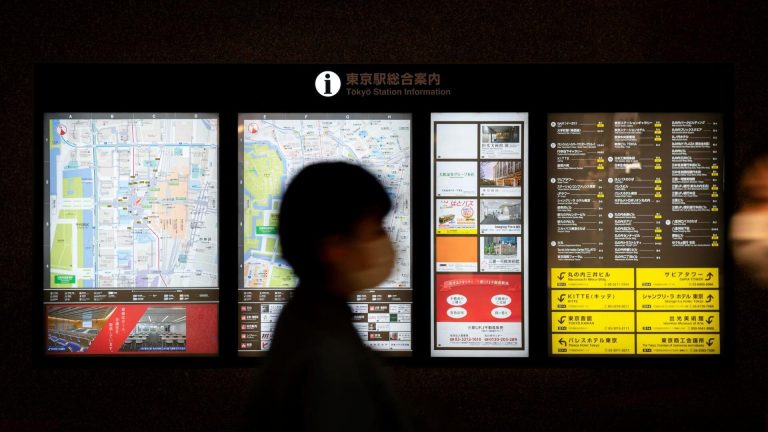
turned on. The difference is not always the technology itself, but how, when, and where it is used. Can become a powerful visual communication tool or an underperforming asset if it is not implemented strategically.
In environments saturated with visual stimuli, brands compete for just a few seconds of attention. Understanding when an advertising screen works and when it doesn’t is essential to maximize impact and ensure that the investment truly delivers value.
Is a digital display designed to show promotional, informational, or branded content in physical spaces. It is widely used in retail, hotels, corporate buildings, shopping malls, airports, events, and public venues.
Its relevance lies in its ability to deliver dynamic content, update messages in real time, and adapt communication to different audiences. However, installing an advertising screen alone does not guarantee success. Effectiveness depends on strategy, content, placement, and the right technology.
Works best when it is aligned with the environment and communication goals. These are the situations where it delivers the strongest results:
An advertising screen captures attention when the message connects with the viewer’s context, needs, or interests. Timely promotions, useful information, and visually engaging content significantly increase effectiveness.
It’s not just about displaying ads—it’s about delivering value at the right moment.
Placement is one of the most critical factors. An advertising screen performs best in high-traffic areas, waiting zones, or spaces where people naturally pause for a few seconds or minutes.
Screens placed outside natural sightlines or in visually cluttered areas are often ignored.
High resolution, proper brightness, and accurate colors enhance credibility. A high-quality advertising screen reinforces brand perception and ensures messages are clear and appealing.
Poor image quality can undermine even the best content.
People process information quickly. An advertising screen should communicate its message within seconds using strong visuals, minimal text, and a clear call to action.
Overloaded messages reduce attention and impact.
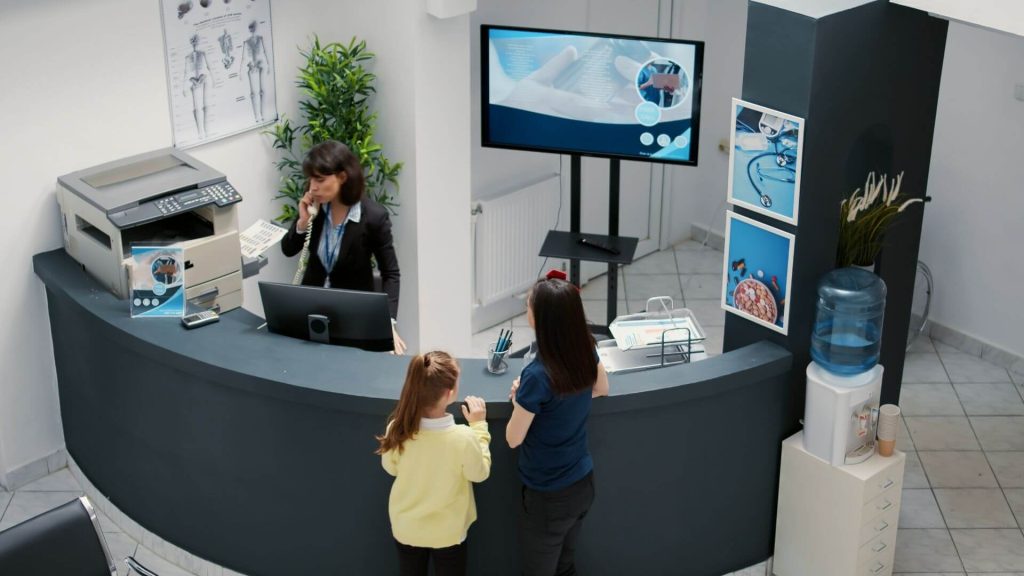
There are also common mistakes that limit the effectiveness of an advertising screen:
If content is not updated regularly or feels irrelevant, the advertising screen quickly loses impact. Repetition leads to visual fatigue and disengagement.
An advertising screen that feels forced or clashes with the design of the space can generate resistance. Screens should enhance the environment, not disrupt it.
Installing an advertising screen without defining its purpose often results in weak outcomes. Is the goal to inform, promote, guide, or enhance the experience? Without clarity, messages lose direction.
Using screens with insufficient brightness, resolution, or durability reduces performance—especially in large spaces or brightly lit environments.
To ensure delivers real value, it is important to follow a few core principles:
ENO Digital Signage manufactures solutions designed for professional projects that require performance, durability, and visual integration. Our approach combines reliable technology with thoughtful design, helping brands turn screens into effective communication touchpoints.
When used strategically, an advertising screen becomes more than a display—it becomes a meaningful connection between brand and audience.
Follow ENO Digital Signage on LinkedIn and our social media channels to discover ideas, trends, and professional advertising screen solutions that truly work.