- +971 04 589 7185
- +971 55 985 0868
- info@digital-signage.ae

There is a common assumption in the LED display industry: the brighter the screen, the better the performance.
At first glance, that sounds logical. More brightness means better visibility, right?
Not necessarily.
In some projects, investing in a High Brightness LED Screen is a strategic decision that significantly improves visual performance. In others, choosing more nits than necessary can increase costs, energy consumption, and system complexity without delivering any real benefit.
The right question is not how many nits a screen can produce. The real question is when higher brightness becomes a necessity.
When discussing brightness, many conversations focus entirely on numbers.
However, a High Brightness LED Screen is not defined solely by a specification sheet. Its real value lies in its ability to keep content visible and readable in environments where conventional displays struggle to perform.
Screen visibility depends on several factors:
For this reason, brightness should always be evaluated within the context of the project rather than as an isolated specification.

There are many environments where a standard display can deliver excellent results. However, some situations make a High Brightness LED Screen essential rather than optional.
This is especially true when the display must compete with strong natural light sources.
Examples include:
In these situations, additional brightness is not about creating visual impact—it is about ensuring consistent performance.
One of the most common mistakes in digital signage projects is selecting a display solely based on the advertised brightness level.
However, a High Brightness LED Screen is not always the right solution if the project has not been properly assessed.
Before determining the required brightness level, it is important to analyze:
A successful project is not about having more brightness. It is about having the right brightness.
When a display loses visibility, the issue is not only technical.
It directly affects the user experience.
A properly selected High Brightness LED Screen allows viewers to absorb information effortlessly, regardless of lighting conditions.
This delivers several important benefits:
Technology should facilitate communication, not become an obstacle to it.
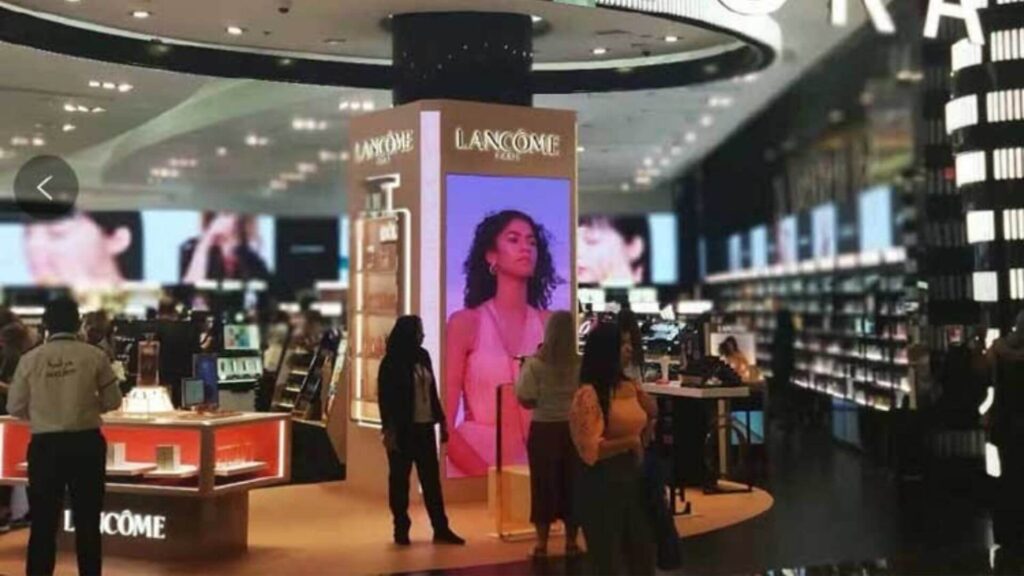
This is one of the most important concepts to understand.
There is a significant difference between a bright display and a well-configured display.
A High Brightness LED Screen should have the capability to reach high brightness levels when necessary, but it should also manage brightness intelligently.
Advanced solutions can:
The goal is not to operate at maximum brightness all the time. The goal is to use the right brightness level at the right moment.
Although brightness requirements depend on each project, there are industries where a High Brightness LED Screenoften provides exceptional benefits.
These include:
In these environments, consistent visibility is not a luxury—it is an operational requirement.
Selecting a High Brightness LED Screen should never become a race to achieve the highest brightness rating.
In fact, the most successful projects are usually those that find the right balance between:
Technology should solve a specific challenge, not simply follow a trend.
A display may offer outstanding resolution, an attractive design, and high-quality content.
But if people cannot see it clearly, everything else loses value.
That is why a High Brightness LED Screen represents much more than a technical specification. It is a tool that ensures communication remains effective under any condition.
And in digital signage, visibility remains the first step toward creating impact.
Lighting conditions, location, content type, and user experience should all be carefully analyzed before selecting the appropriate brightness level.
A High Brightness LED Screen can completely transform the performance of an installation when chosen correctly. However, its true value does not come from delivering more brightness—it comes from delivering exactly the amount of brightness the project needs.
Are you evaluating a High Brightness LED Screen for your next digital signage project?
Follow us on Instagram and LinkedIn to discover technologies, trends, and strategies that help you make smarter decisions for visual communication projects.
And if you want to continue learning about LED displays, digital signage, and high-impact visual experiences, we invite you to explore our previous blogs, where we share expert insights, industry trends, and practical recommendations for professional installations.