- +971 04 589 7185
- +971 55 985 0868
- info@digital-signage.ae
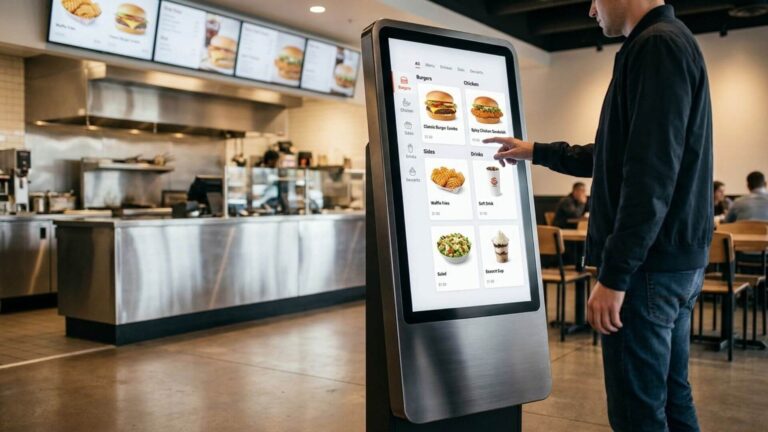
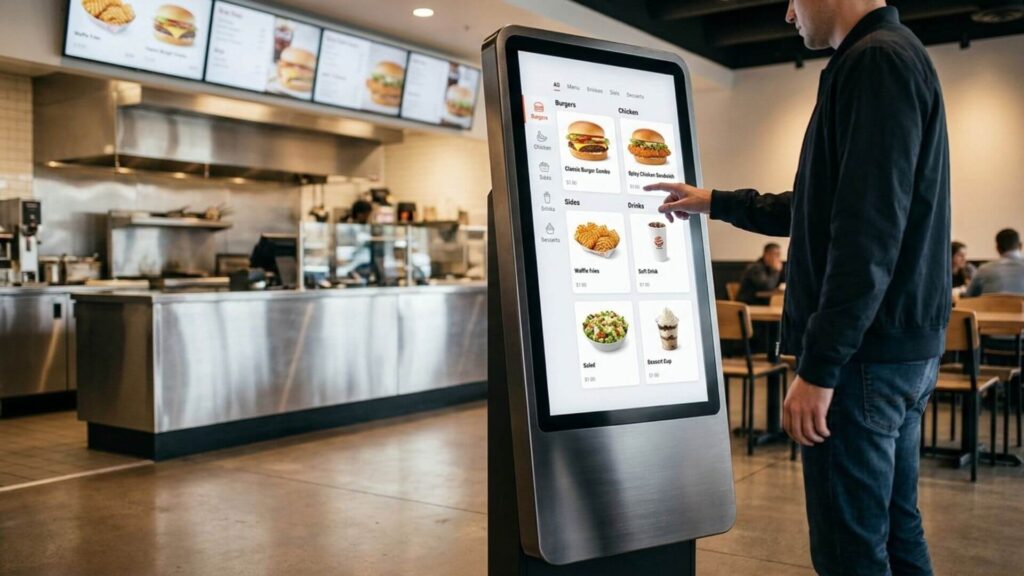
For years, digital screens have primarily served an informational purpose: displaying a message, promotion, image, or video. However, the evolution of Digital Signage is changing this dynamic.
Today, a screen can become an interactive touchpoint where users can access information, explore products, find a location, select options, or even complete an action.
In this context, the interactive display represents an important evolution. Its value is not simply in incorporating touch technology, but in creating digital experiences where users actively participate.
A conventional screen communicates in one direction. The company decides what content to display, and the user receives it.
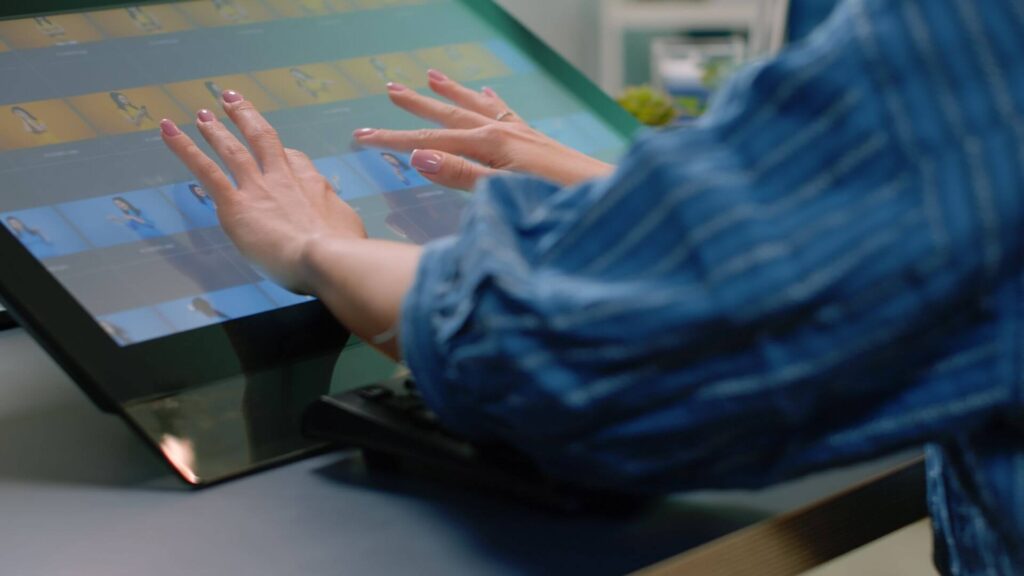
An interactive display changes that relationship. Users can decide what information they want to access, what content they want to explore, or what action they want to take.
This difference can be particularly valuable in environments where there is a large amount of information that would not make sense to display simultaneously.
Instead of presenting everything at once, the screen can provide a progressive experience in which each user finds the information they need.
This makes it possible to use digital space more efficiently and create touchpoints adapted to different needs.
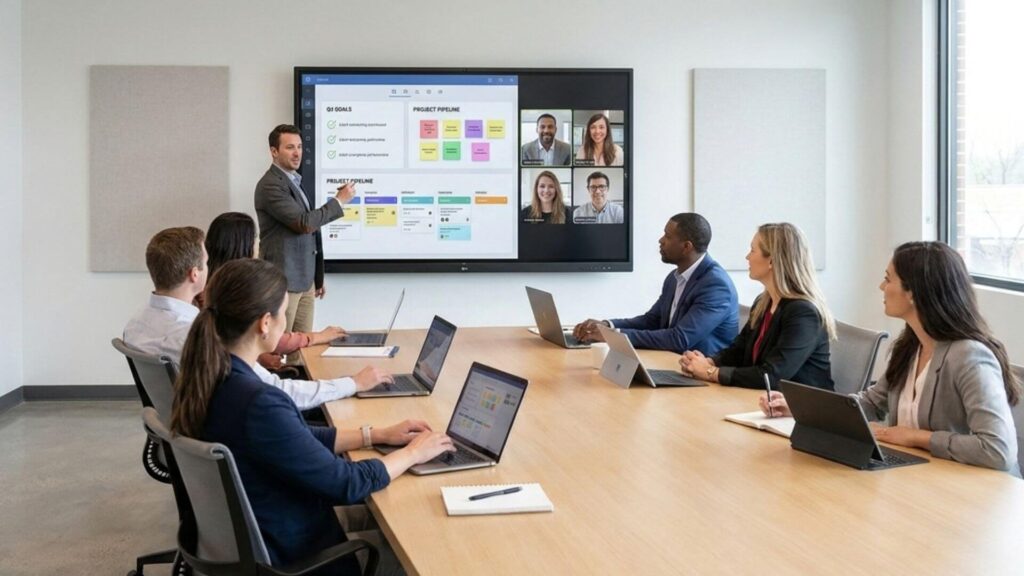
Interaction can add value at different moments throughout a person’s journey within a space.
One of the main advantages is the ability to allow each person to control their own experience.
In a hotel, for example, an interactive screen can provide information about services, restaurants, facilities, or activities. In retail, it can help users explore products, check features, or locate specific items.
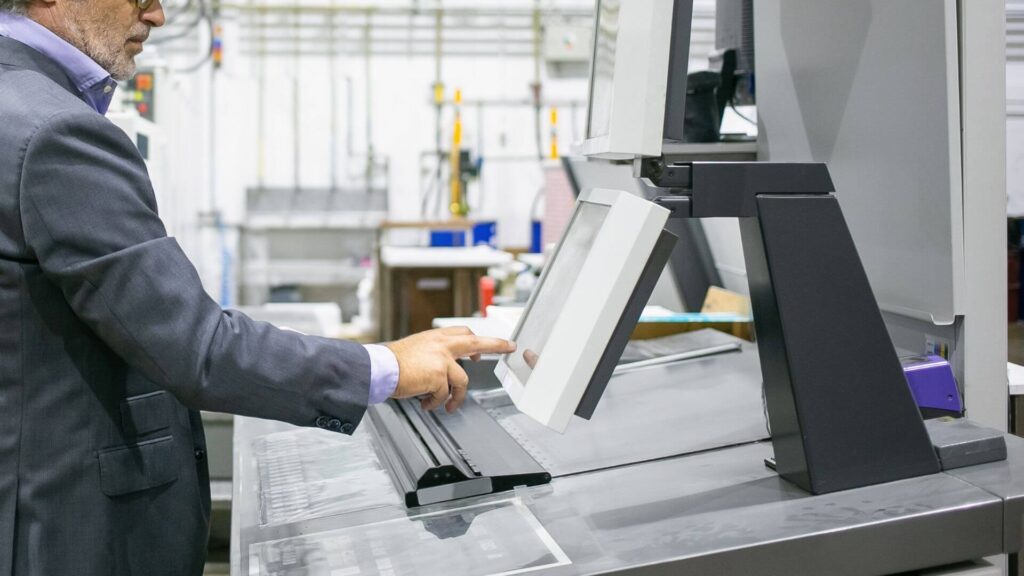
In a corporate environment, it can be used to access information, guide visitors, or facilitate internal processes.
The difference is that users do not have to wait for the information they are looking for to appear. They can access it directly through an interface designed around their needs.
Although interactive screens are becoming increasingly common in stores and commercial spaces, their possibilities extend much further.
Hospitality: they can serve as information and wayfinding points for guests and visitors.
Corporate: they can facilitate access to information, internal signage, and visitor experiences.
Education: they can support more participatory experiences and content that requires exploration.
Showrooms: they can help present products, features, configurations, and different options dynamically.
Public spaces: they can be used for maps, directories, tourism information, or digital services.
Events and exhibitions: they can create experiences in which visitors participate instead of simply observing.
This variety of applications shows that technology should not be selected solely based on its technical specifications. The real question is what kind of experience the project is intended to create.
A touchscreen alone does not guarantee a good experience.
If menus are confusing, navigation is too extensive, or content is not organized intuitively, technology can end up creating frustration instead of making interaction easier.
That is why interface design should consider aspects such as clear instructions, information hierarchy, the size of interactive elements, and the number of steps required to complete an action.
A good experience should allow users to quickly understand what they can do and how to do it.
Technology should facilitate interaction, not become an obstacle.
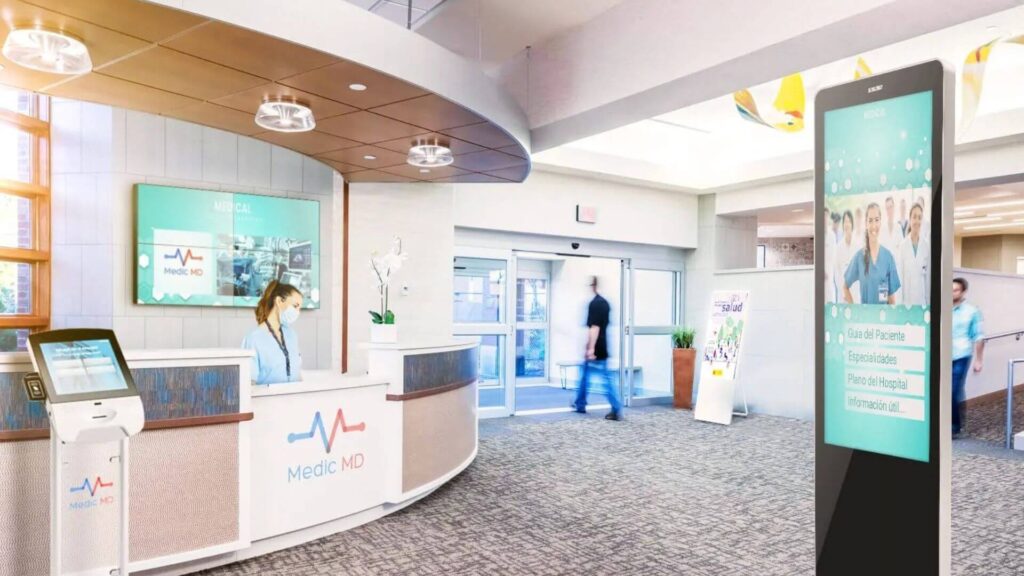
The performance of an interactive display does not depend solely on the screen itself.
Hardware, software, and content need to work together as an integrated system.
The screen provides the interaction surface, but the software determines what users can do, while the content defines what information they will encounter throughout the experience.
For this reason, a professional implementation should consider aspects such as connectivity, operating systems, applications, content management, and information updates from the beginning.
This integration also makes it possible to develop solutions that can evolve over time.
Before incorporating an interactive display into a project, several factors should be analyzed.
Experience objective: define what action users are expected to take. Accessing information, exploring products, finding their way, or completing a process are different needs.
Installation environment: size, lighting, user traffic, interaction distance, and operating conditions can influence the configuration of the solution.
Interface and content: the experience should be designed around the end user rather than simply around the device’s capabilities.
Integration: determine which systems, platforms, or devices will need to connect with the screen.
Maintenance: interactive solutions require content updates and, depending on the application, hardware maintenance and technical support.
Scalability: if the project may expand to multiple locations, it is worth considering from the beginning how multiple devices will be managed consistently.
These factors help ensure that interaction does not become merely an additional feature, but rather a genuine communication and user-experience tool.
The evolution of Digital Signage is making screens increasingly capable of responding to people’s specific needs.
This does not mean that every screen needs to be interactive. A conventional display can be perfectly suitable when the objective is to communicate a message quickly and directly.
But when users need to explore, select, access information, or participate, an interactive display can completely transform the experience.
The key is to use technology with a clear purpose: making information more accessible, making processes more intuitive, and giving digital spaces a useful role within the user’s journey.
At ENO Digital Signage, we develop solutions that combine technology, design, and functionality to create digital experiences adapted to the needs of each project.
If you want to learn more about the technologies transforming Digital Signage, follow us on Instagram and LinkedIn and explore our previous blog articles to discover new trends, solutions, and applications.