- +971 04 589 7185
- +971 55 985 0868
- info@digital-signage.ae
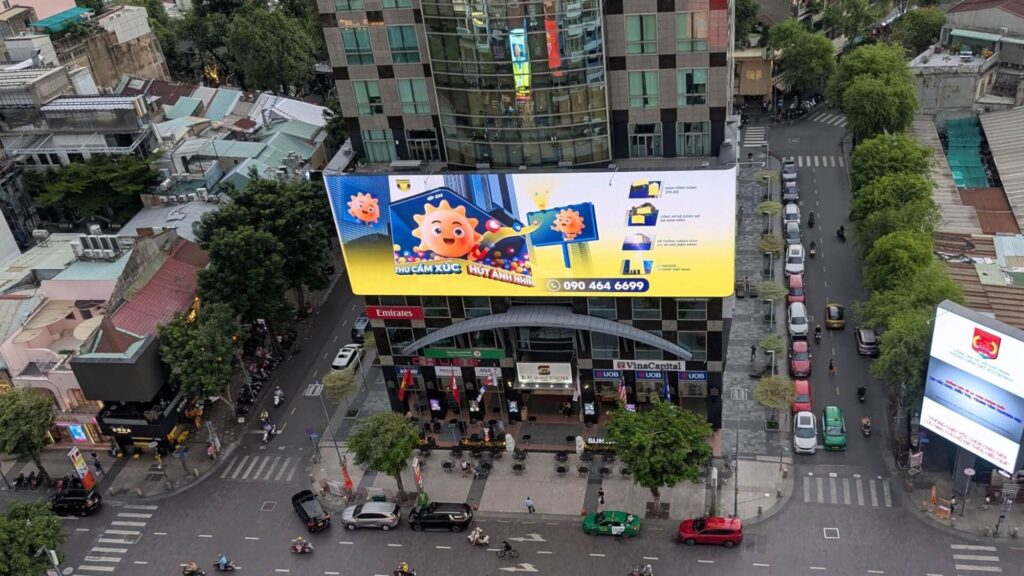
An LED screen can become the centerpiece of a retail store, transform a building facade, or capture an audience’s attention at an event. However, behind a successful installation lies much more than a high-resolution display. There is a process of selection, planning, manufacturing, and integration that directly influences the final result.
That is why choosing a supplier should not depend solely on price or the specifications listed on a datasheet. A professional LED screen manufacturer should understand the project’s requirements, recommend a suitable solution, and provide the capabilities needed to turn an idea into a reliable installation.
The difference lies in finding a technology partner who can address both current requirements and the needs that may arise over time.
The market includes suppliers with different manufacturing capabilities, areas of specialization, and levels of support. Some focus on standardized products, while others can develop configurations tailored to the dimensions, environment, and objectives of each installation.
This distinction matters because a screen designed for an indoor space may not meet the requirements of an outdoor facade or a sports venue. Similarly, an architectural project involving curved surfaces may require a different solution from a conventional corporate installation.
Before making a decision, consider whether the manufacturer understands the intended application, asks the right questions, and can technically justify its recommendations. A good supplier does more than offer a model; it helps identify the solution that best meets the project’s actual requirements.
Choosing a manufacturer involves assessing several factors that, together, help determine whether the supplier is equipped to deliver a project reliably.
The first aspect to review is the manufacturer’s ability to maintain consistent quality standards. This involves understanding its production processes, the controls applied to components, and the tests performed before equipment is delivered.
It is also important to ask how module performance, visual uniformity, and consistency across the different elements of a screen are verified. These factors can influence how content looks and how the system performs during operation.
Technical documentation, quality control procedures, and clear explanations of specifications help demonstrate the supplier’s professionalism. The goal is not simply to confirm that a screen turns on, but to understand how the manufacturer verifies that it is ready for its intended operating conditions.
Customization adds value when it solves a functional need and improves the screen’s integration into the space. Selecting features without relating them to the intended use can increase costs without delivering a proportional improvement.
An LED screen does not operate in isolation. To fulfill its purpose, it must integrate properly with control systems, content sources, and the project’s technical infrastructure.
For this reason, it is important to review the manufacturer’s information on compatible control systems, signal configuration, connectivity, and installation requirements. It is also worth clarifying which tasks fall under the manufacturer’s responsibility, which belong to the integrator, and which must be handled by the client.
This coordination helps prevent compatibility issues, delays, and unexpected costs during commissioning. The more complex the project, the more important it becomes to define responsibilities and technical requirements for every participant from the beginning.
The relationship with the supplier should not end when the screen reaches its destination. Installation, performance testing, and ongoing maintenance can significantly affect service continuity.
Before signing a contract, ask about technical documentation, warranty terms, spare parts availability, and support channels. It is also useful to understand how issues are handled and what information is required to receive assistance.
In high-usage environments, such as retail spaces, transportation hubs, and sports venues, proper maintenance planning helps minimize disruptions and makes installations easier to manage.
A reliable supplier should clearly explain what its services include and where their limits lie, ensuring expectations are aligned from the start.
Two proposals may appear similar in a quotation while differing significantly in components, accessories, services, warranties, and project scope. Comparing only the final price can therefore lead to poor decisions.
To evaluate proposals more comprehensively, consider the following:
This approach makes it easier to assess each proposal based on its ability to meet the project’s requirements rather than simply offering the lowest initial price.
An LED screen is an investment that should support specific communication, experience, or business performance objectives. Achieving those goals requires a manufacturer that combines technical expertise, quality control, application knowledge, and clear communication throughout the project.
At ENO Digital Signage, we understand that every installation has specific requirements and that the right solution must consider both the technology and the environment in which it will be used. Evaluating these factors from the beginning helps businesses make informed decisions and develop projects designed to meet the real needs of each space.
Follow ENO Digital Signage on Instagram and LinkedIn to explore more digital signage solutions, applications, and industry trends. You can also read our previous blog articles to discover the factors that contribute to successful LED screen projects.