- +971 04 589 7185
- +971 55 985 0868
- info@digital-signage.ae
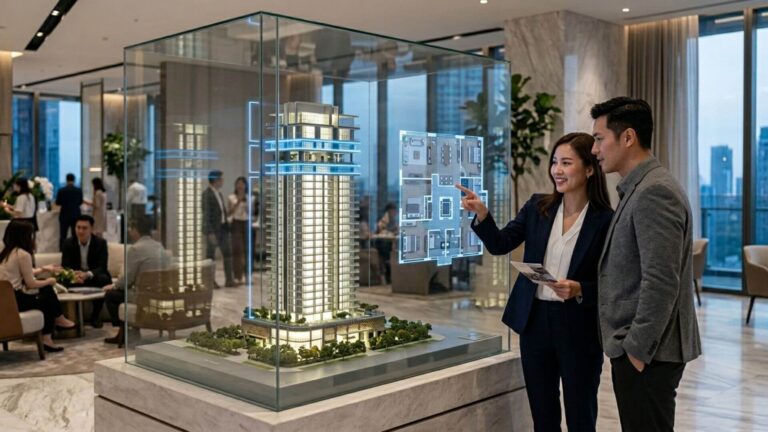
For years, digital displays have been installed on walls, storefronts, and façades, primarily to communicate information or promote products. But what happens when the surface delivering the message is no longer in front of the audience and instead becomes part of the floor beneath them?
That is where a new approach to Digital Signage begins.
An Interactive floor led screen transforms the floor into a dynamic visual surface capable of attracting attention, encouraging interaction, and changing how people perceive a space. Instead of simply displaying content, it allows architecture to become part of the experience.
For retail stores, shopping malls, showrooms, and entertainment venues, this creates an especially interesting opportunity: turning the visitor’s physical journey into a memorable experience.
Consumer behavior has changed. In commercial environments, simply placing advertising messages in strategic locations is no longer enough to guarantee attention.
Brands want to create moments.
An Interactive floor led screen makes this possible from an unexpected position: the floor. This location changes the relationship between the user and the content because it introduces physical movement into the experience.
Visitors can walk across a surface that changes, respond to visual elements, or discover content that reacts to their movements.
The result is not simply a large-format display, but an experience that turns the physical environment into an active communication tool.
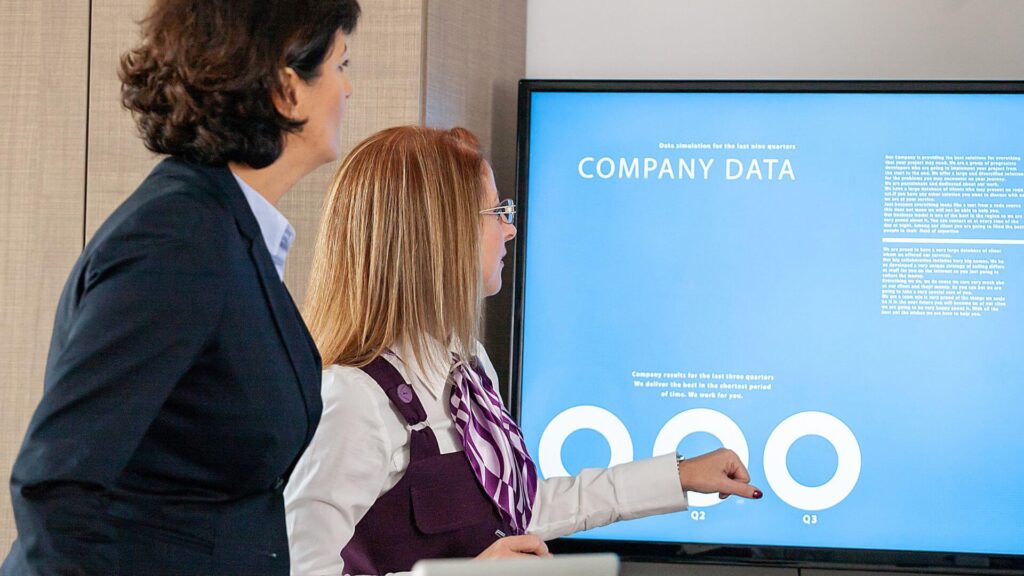
Not every LED screen installed on a floor is necessarily interactive.
The difference comes from the ability to combine visual content with technologies capable of detecting and responding to user presence and behavior.
An installation can incorporate different technologies to achieve this:
This combination is what transforms a visual installation into a participatory experience.
One of the biggest challenges of any interactive experience is encouraging users to participate.
An Interactive floor led screen can incorporate impressive technology, but if the interaction is not intuitive or engaging, people will simply walk past it.
That is why the design process should begin with a simple question: What do we want the visitor to do?
They might walk across specific elements, follow an animation, activate content through movement, or simply discover how the environment changes as they move.
The interaction should feel natural.
When technology requires users to learn complicated instructions, the experience loses its spontaneity. When it responds intuitively, curiosity does much of the work.
One of the greatest advantages of this technology is that its possibilities extend far beyond advertising campaigns.
In commercial environments, it can serve several purposes:
In all these applications, the goal is not to install technology simply because it looks impressive. It is to use technology to give people another reason to interact with the space.
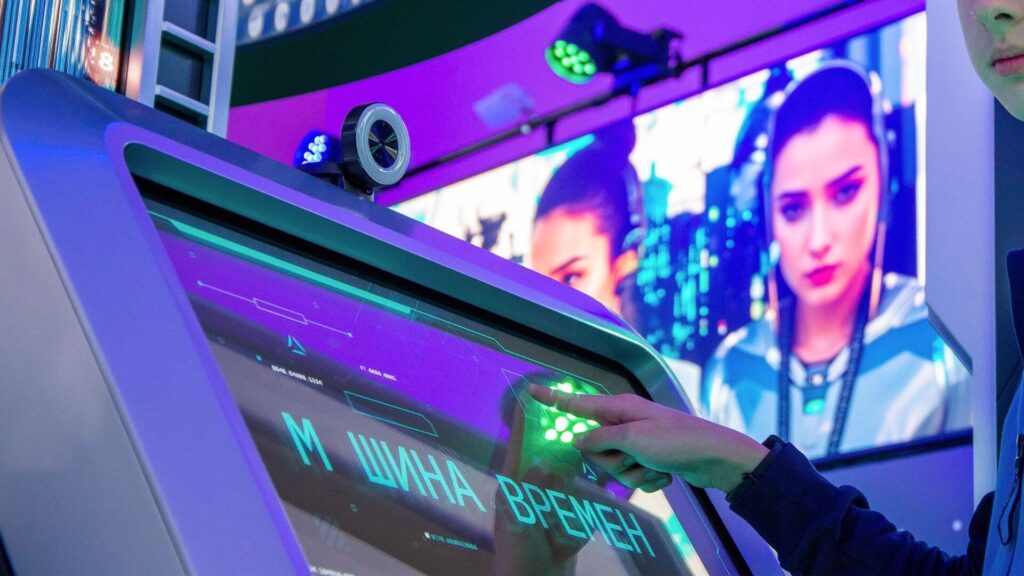
There is a common temptation when developing immersive installations: focusing too heavily on the hardware.
But a memorable experience requires much more.
Content quality, animation speed, the relationship between visuals and movement, and the way interaction is integrated all play an important role.
A successful project should consider:
When all these components are coordinated, technology stops feeling like an additional element and becomes part of the architecture itself.
An Interactive floor led screen designed for a commercial environment must also respond to practical requirements.
The floor is exposed to constant foot traffic, so the solution needs to be designed with factors such as durability, protection, maintenance, and safety in mind.
The project should also determine from the beginning how technical access will be handled, which components may require maintenance, and how content can be updated without disrupting the operation of the space.
This approach is particularly important in commercial environments where technology must operate reliably alongside hundreds or even thousands of visitors every day.
Capturing attention is only the first step.
The real potential of an immersive experience appears when it makes people remember the moment and associate it with a brand, space, or product.
An Interactive floor led screen can help create this type of connection because it introduces something that static communication can rarely achieve: participation.
Visitors do not simply watch the content.
They become part of it.
And that difference can transform an ordinary visit into an experience that stays in people’s memories.
The evolution of Digital Signage is not simply about creating larger displays or higher resolutions. It is also about discovering new ways to integrate technology into the spaces people move through.
Interactive floor led screens represent precisely this evolution: digital surfaces that combine architecture, content, and interaction to create more dynamic experiences.
For brands, the challenge is no longer simply getting someone to look at a screen.
It is getting them to want to interact with it.
Want to transform a commercial space into a visual experience that encourages people to interact?
Follow ENO Digital Signage on Instagram and LinkedIn to discover new technologies, trends, and solutions transforming digital communication.
And if you want to continue exploring the possibilities of Digital Signage, we invite you to read our previous blogs, where you’ll find ideas, analysis, and recommendations for developing more innovative and effective visual projects.