


- +971 04 589 7185
- +971 55 985 0868
- info@digital-signage.ae
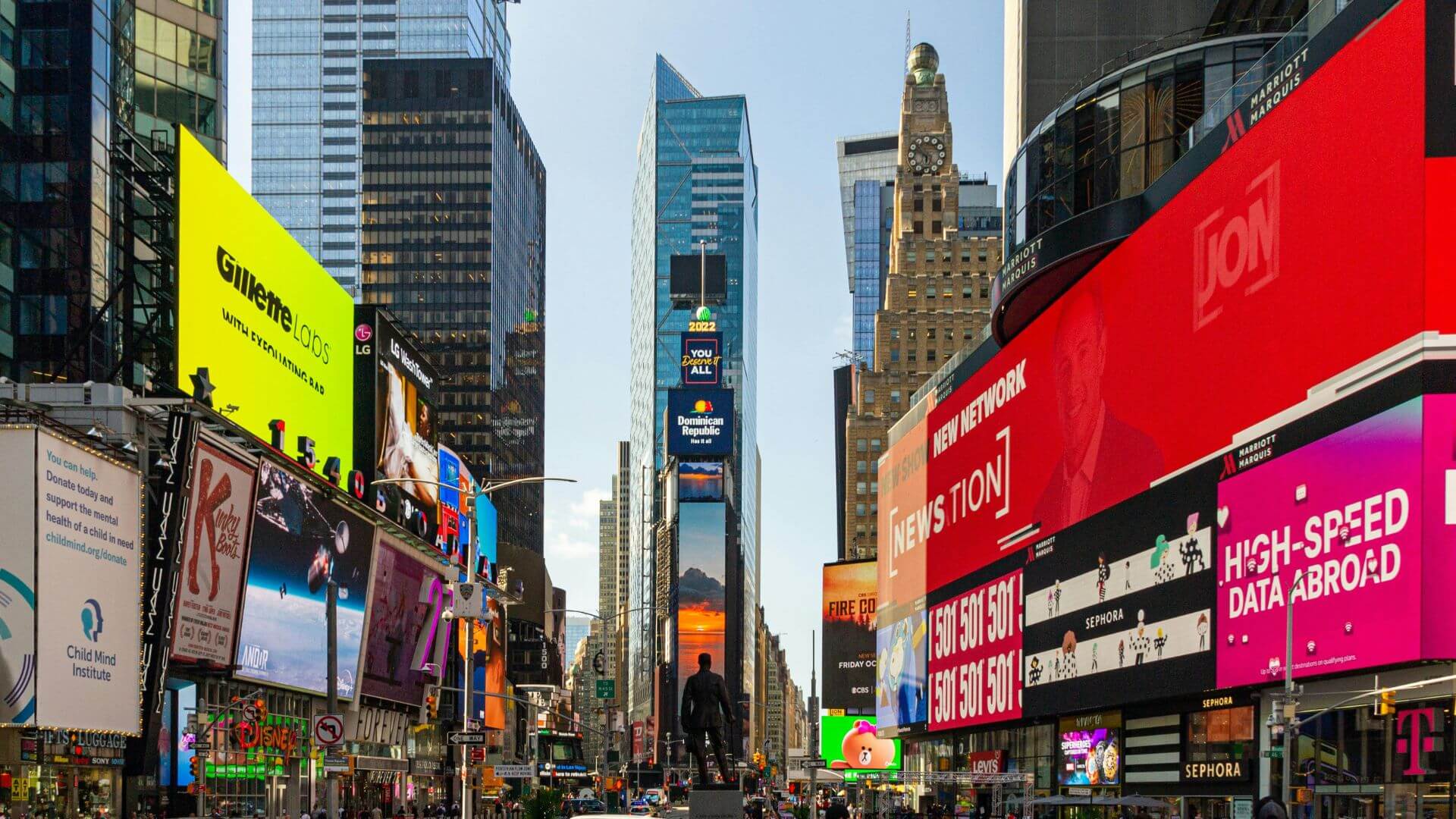
In today’s digital signage landscape, flexibility is no longer a competitive advantage—it is a necessity. Brands, commercial spaces, and architectural projects evolve constantly, and technology must keep pace with that evolution. In this context, the Modular LED screen has become the foundation of truly scalable visual projects.
More than just a display, a modular solution represents a dynamic structure capable of expanding, transforming, and adapting to new demands without requiring a complete system replacement. That adaptability is what makes it a strategic long-term investment.
One of the most common mistakes in digital signage projects is designing only for current needs. A fixed-size screen is installed with limited expansion capabilities, and when business strategies change or spaces are redesigned, the solution becomes restrictive.
A Modular LED screen breaks away from this traditional model. Its panel-based design allows independent modules to connect seamlessly, creating a system that can grow over time.
With a modular approach, organizations can:
Planning for modularity from the start protects the investment and simplifies future expansion.
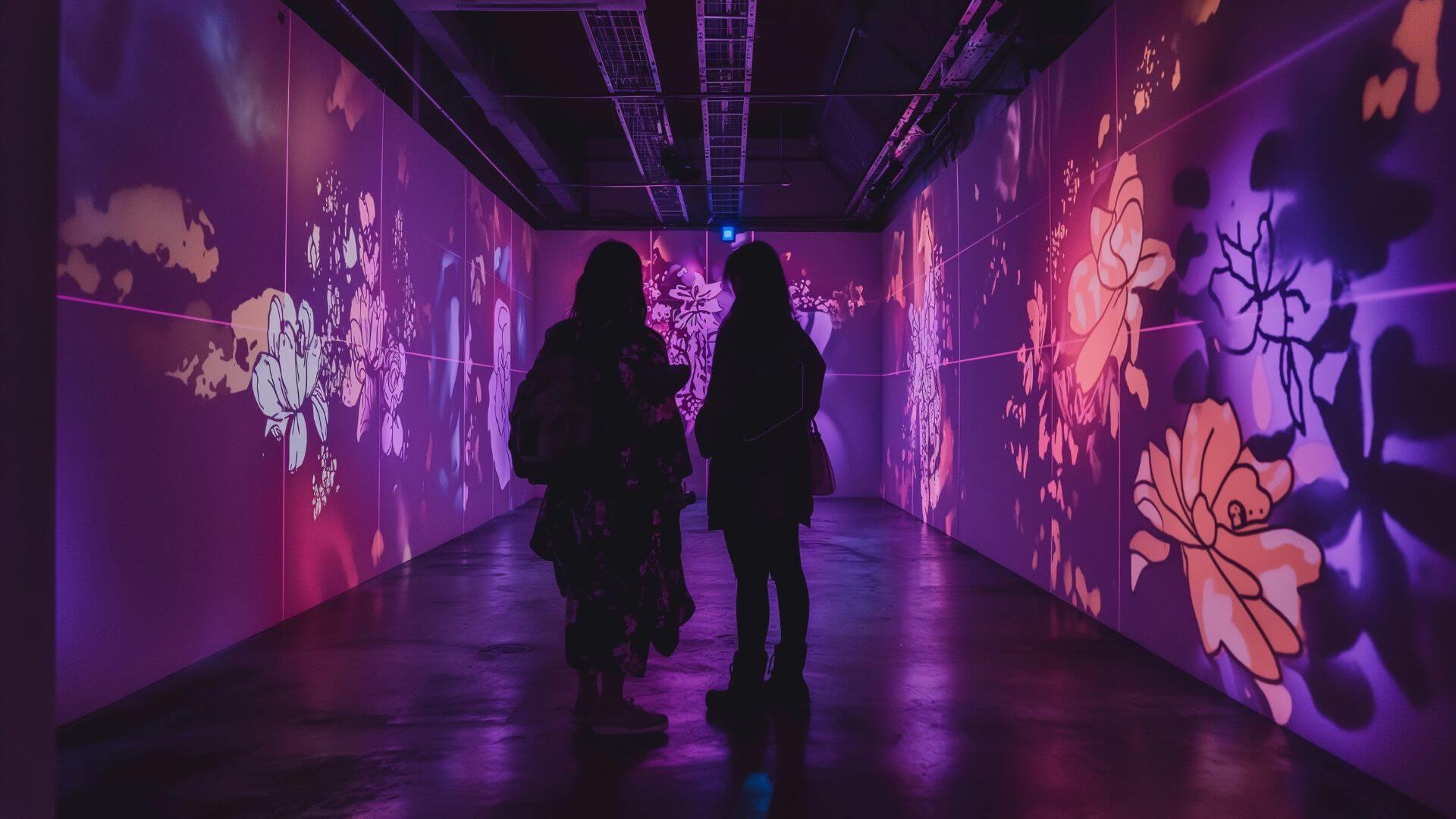
One of the strongest advantages of a Modular LED screen is its ability to physically adapt to different environments. Not every space is flat, and not every project requires a conventional rectangular layout.
Because it is built from configurable modules, it allows for:
This flexibility transforms the Modular LED screen into a creative tool, not just a technical component.
In professional environments, operational continuity is critical. A display malfunction can disrupt communication, reduce brand credibility, and negatively impact user experience.
The modular structure provides clear operational advantages. If a single module encounters an issue, it can be replaced independently without dismantling the entire screen. This minimizes downtime and reduces maintenance costs.
Additionally, a professional Modular LED screen built with industrial-grade components ensures:
Technical reliability is essential for scalable solutions.
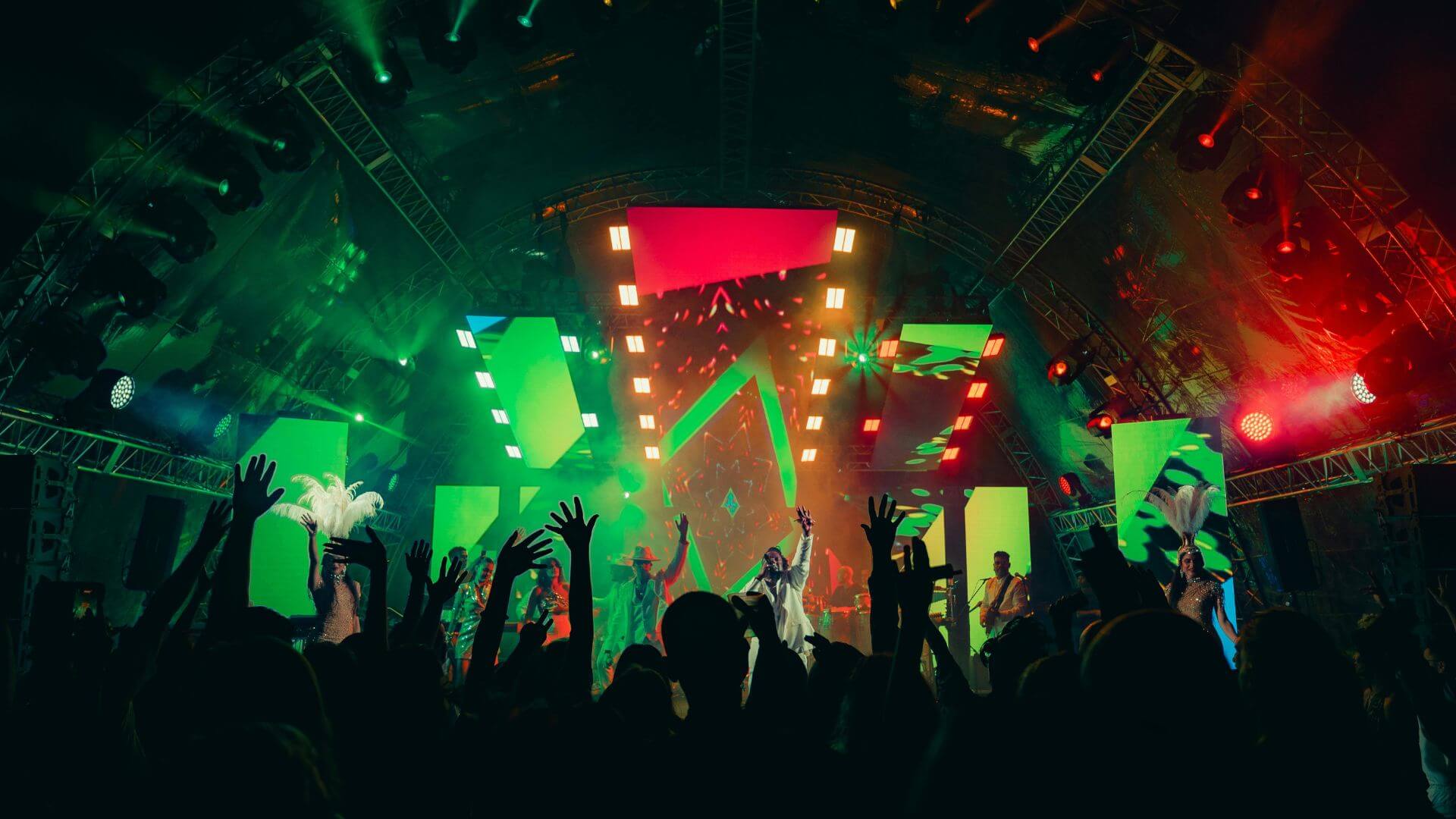
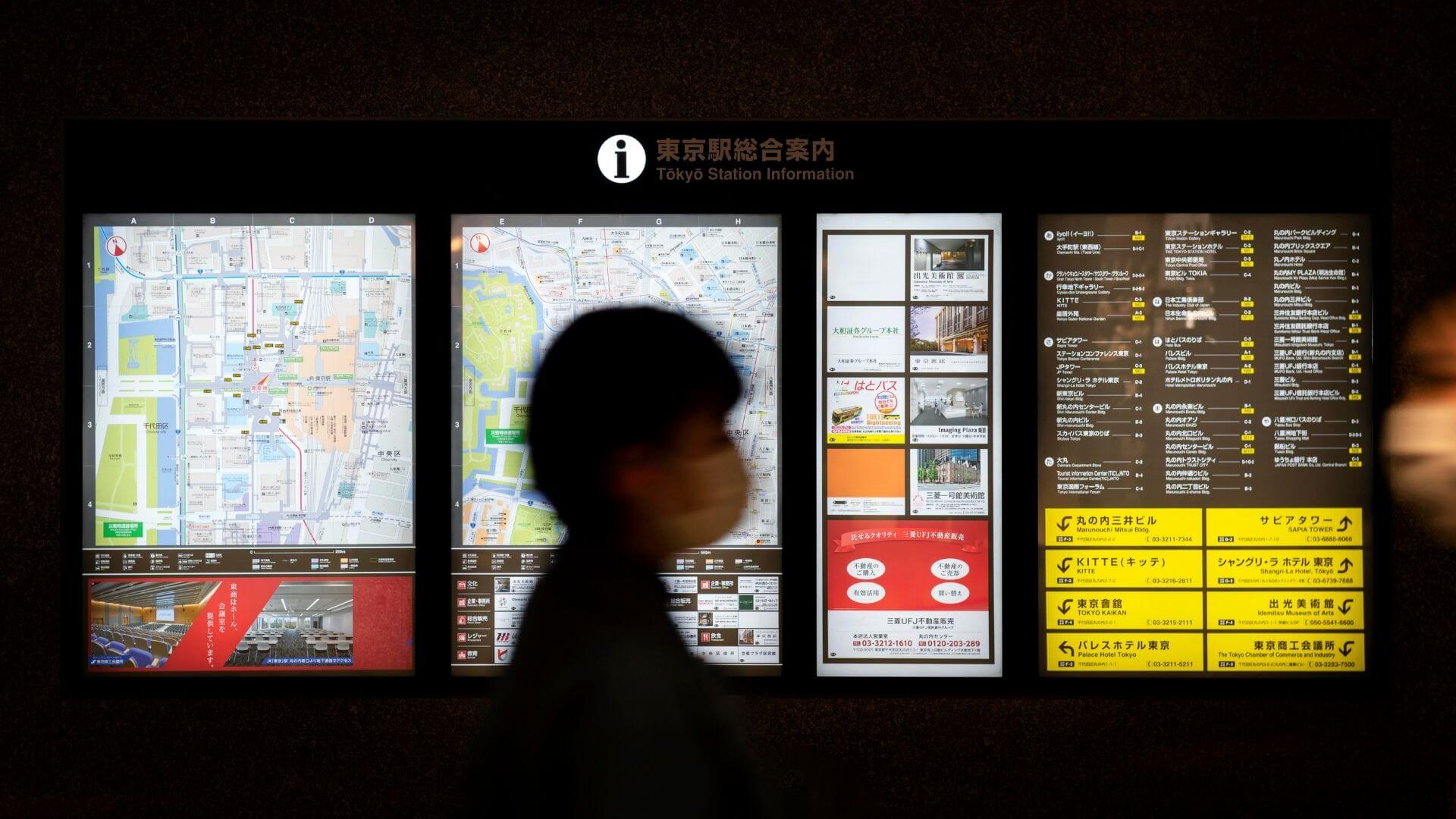
The Modular LED screen is not limited to a single sector. Its adaptable design makes it suitable for a wide range of industries:
This cross-sector adaptability reinforces its value as a long-term strategic solution.
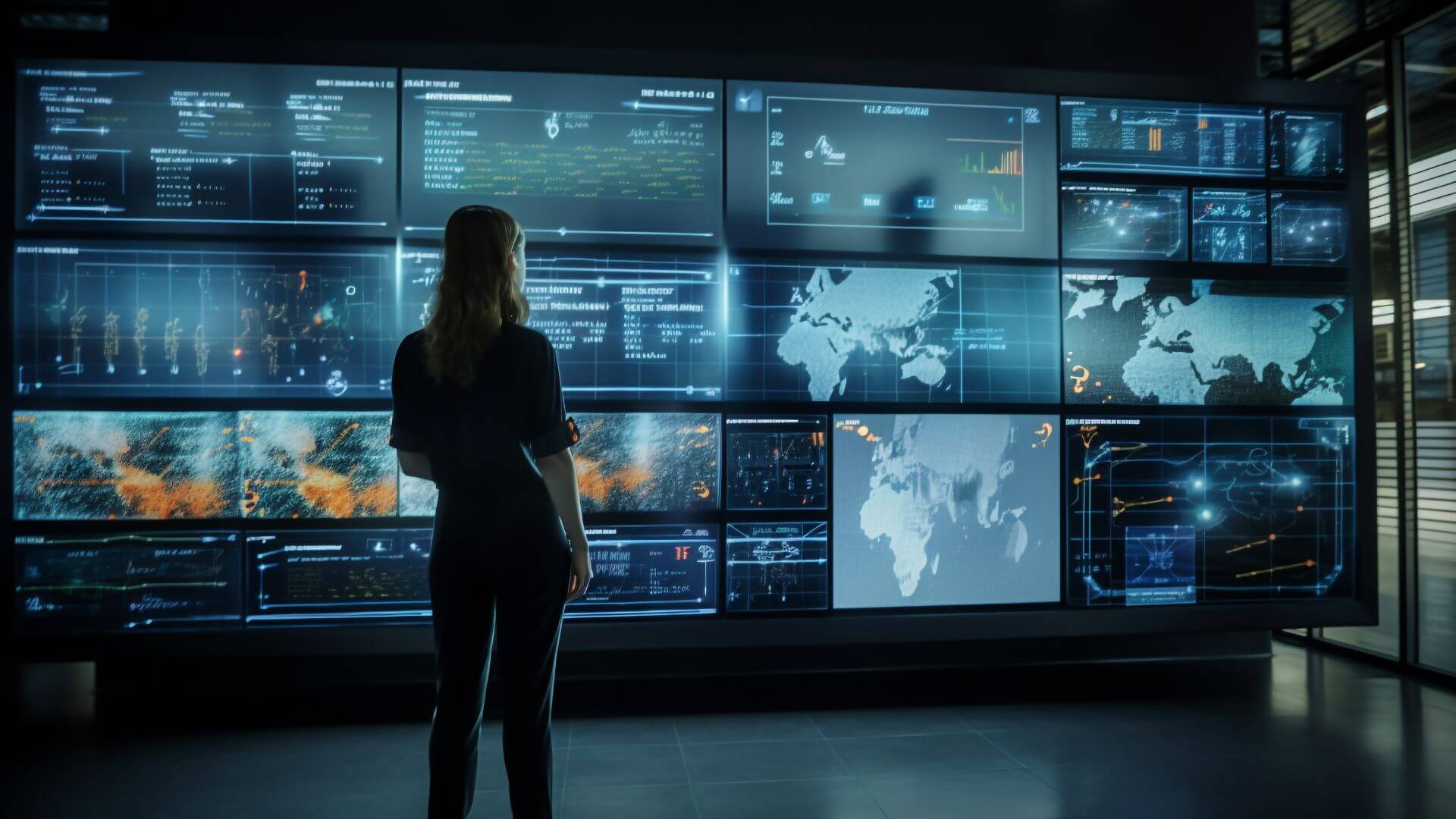
Scalability is not only about physical expansion—it is also technological. A Modular LED screen allows for upgrades in control systems, processors, and content management platforms without requiring a complete redesign.
As content strategies evolve—whether through higher resolution requirements, interactive integrations, or advanced remote management—the modular infrastructure simplifies technological transitions.
This ensures that the project remains relevant and adaptable as digital strategies grow.
The real advantage of a Modular LED screen is maximized when it is integrated into the project from the earliest design phases. Considering the display during architectural planning allows for optimized dimensions, structured cabling, proper ventilation, and secure mounting systems.
Strategic planning includes:
When modularity is incorporated from the beginning, the result is cohesive, efficient, and future-ready.
In a market driven by constant innovation, choosing a Modular LED screen is not just a technical decision—it is a commitment to adaptability.
Organizations that prioritize modular solutions benefit from:
Modularity transforms a screen from a static installation into an evolving digital platform.
Designing and implementing a Modular LED screen requires both technical expertise and strategic foresight. It is not simply about assembling panels; it is about understanding how the project will grow over time.
Partnering with a specialized manufacturer ensures that every module, control system, and structural component is prepared for real scalability.
The difference between a standard installation and a scalable solution lies in planning, experience, and technical precision.
Planning a project that needs to grow without technical limitations?
Follow ENO Digital Signage on LinkedIn and Instagram to explore scalable Modular LED screen solutions, industry insights, and technology designed for long-term growth.