

- +971 04 589 7185
- +971 55 985 0868
- info@digital-signage.ae
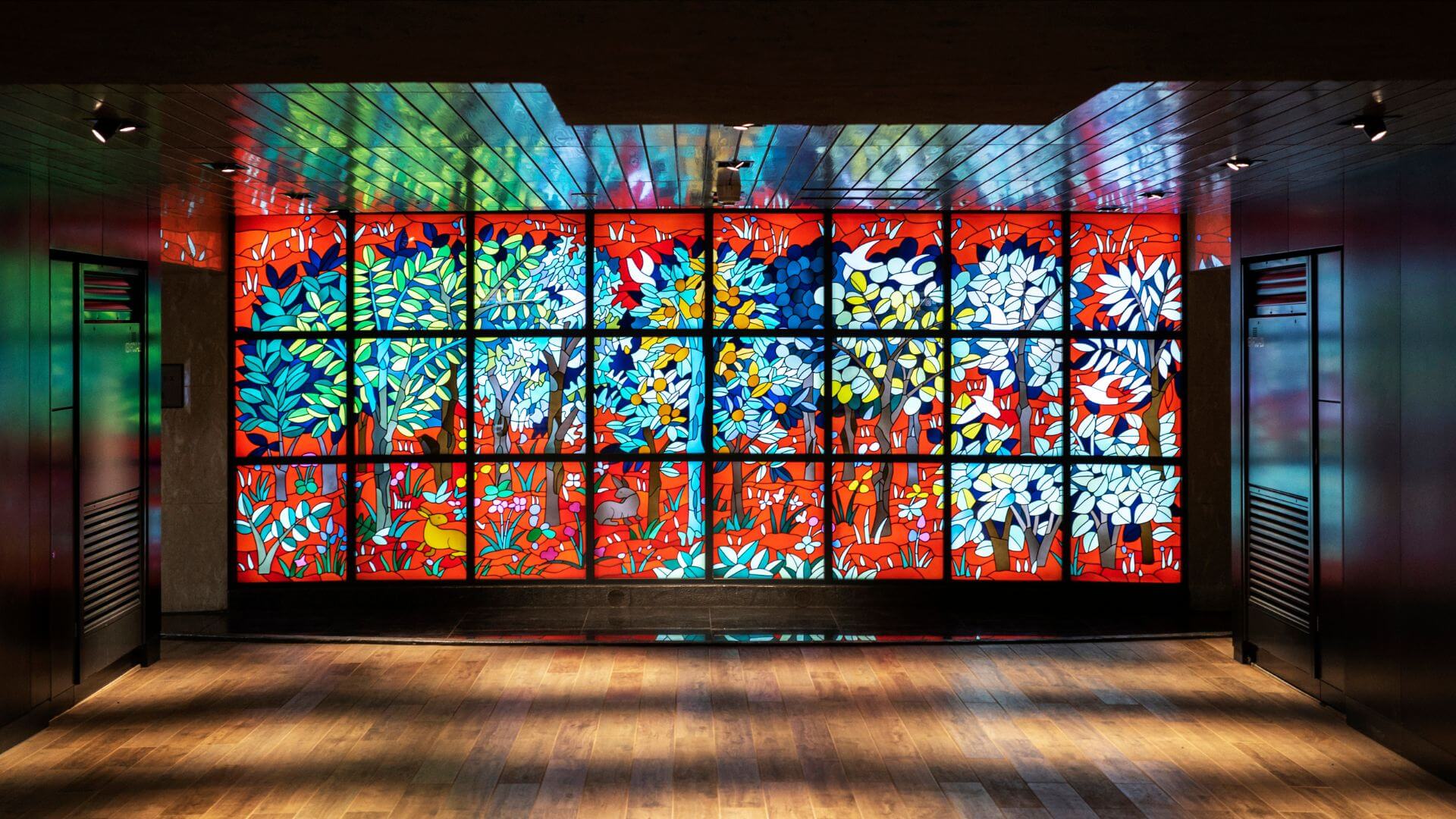
Designing a professional does not start with screens or cables. It starts with a much more important question: what experience do we want to create? In a world saturated with visual stimuli, a well-designed video wall does more than capture attention—it communicates, guides, and reinforces brand identity in just a few seconds.
Whether used in retail, hotels, corporate spaces, airports, or public venues, the Video Wall has become a strategic visual tool. However, its success depends not only on size or resolution, but on a series of key decisions made long before installation begins.
Before choosing technical specifications, it is essential to understand the purpose. A solution designed for branding is very different from one intended for real-time information or dynamic advertising.
At this stage, some critical questions include:
Clear objectives lead to smarter decisions and help avoid investments that do not deliver real value.
A Video Wall never exists in isolation—it becomes part of a physical environment. Architecture directly influences design, visibility, and overall system performance.
Key aspects to evaluate include:
When aligned with the environment, feels intentional and seamless rather than imposed.
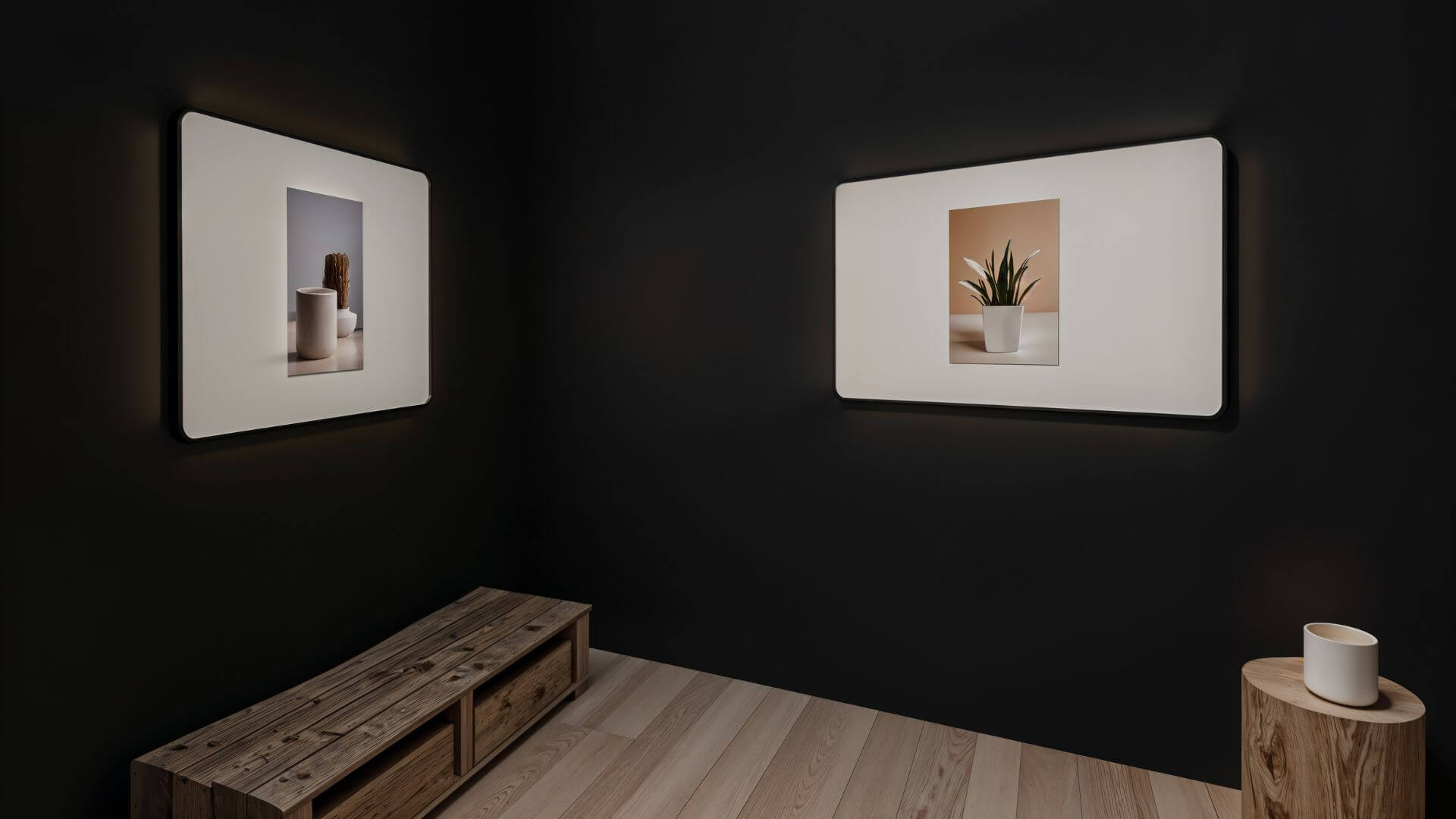
One of the most common mistakes when designing a Video Wall is assuming that larger size or extreme resolution automatically delivers better results. In reality, context defines success.
The goal is to balance:
A well-sized Video Wall provides a comfortable and clear viewing experience without overwhelming the audience.
A Video Wall may be technically flawless, but without well-planned content, its impact is lost. System design should consider storytelling and content strategy from the very beginning.
This involves thinking about:
Content should take advantage of the Video Wall’s potential, not simply replicate assets created for other formats.
In professional projects, reliability is just as important as visual quality. A Video Wall often operates for long hours, sometimes 24/7, making technology selection a critical decision.
Key factors include:
Choosing the right technology minimizes downtime, reduces operational costs, and ensures consistent performance.
Although not always explicitly mentioned, user experience is a fundamental pillar of Video Wall design. How people visually interact with a space ultimately defines project success.
A well-designed video wall:
When the experience flows naturally, the Video Wall fulfills its purpose without needing explanation.
A professional Video Wall should never be designed only for today. Scalability, content evolution, and technological adaptability are essential to protect the investment.
Thinking ahead allows organizations to:
Future-ready design transforms a video wall into a long-term strategic asset.
Behind every successful Video Wall is planning, experience, and technical expertise. Working with a specialized manufacturer ensures ideas are translated into practical, high-performing solutions.
Expert guidance ENO Digital Signage helps avoid common mistakes and ensures that every design decision contributes to a strong final result.
Are you planning a professional Video Wall project and want to make informed decisions from the start?
Follow ENO Digital Signage on LinkedIn to discover insights, trends, and solutions designed for high-impact visual projects.