- +971 04 589 7185
- +971 55 985 0868
- info@digital-signage.ae

Some spaces don’t need more elements to stand out. They already have design, location, and concept. But even in those cases, there’s an opportunity many brands are still missing: turning architecture into a communication channel.
The Transparent LED Screen emerges exactly at that point—where design must remain intact, but communication needs to evolve. It doesn’t cover. It doesn’t replace. It integrates.
And when it’s done right, something powerful happens: the space stops being purely visual and starts delivering messages without losing its essence.
One of the main reasons the Transparent LED Screen is gaining relevance is its ability to adapt without invading the space.
In projects where glass, light, and openness are part of the concept, a traditional screen simply doesn’t fit. A transparent solution, on the other hand, allows the original intention of the space to remain while adding a communication layer.
This translates into clear advantages:
This is not about adding a screen. It’s about adding function without compromising design.
This is where projects are truly defined.
Integrating a Transparent LED Screen is not just a technical decision—it is a design decision. It requires understanding how the screen interacts with the environment at different times of the day and from multiple perspectives.
To achieve this, it’s essential to consider:
When these elements align, the screen becomes part of the concept—not an addition.
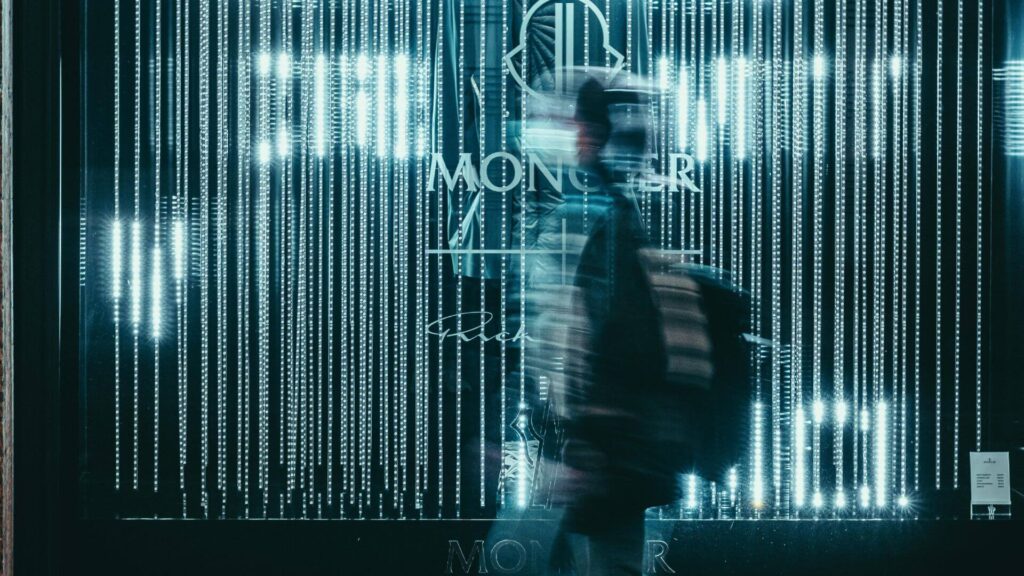
One of the most common mistakes is assuming that content designed for traditional screens will work the same on a Transparent LED Screen.
It doesn’t.
Transparency fundamentally changes how visuals are perceived, as the background remains visible. This requires a different, more intentional content approach.
To ensure effectiveness:
Here, simplicity is not a limitation—it’s a strategy.
In commercial environments, the Transparent LED Screen achieves something few solutions can: communication without obstruction.
In storefronts, for example, it allows digital content to enhance the experience without blocking visibility into the store. This creates a dual impact: the product remains visible, and the digital message adds context, promotion, or storytelling.
In these spaces:
This is not just advertising—it’s an elevated brand experience.

One of the most powerful advantages of a Transparent LED Screen is its ability to transform static structures into dynamic communication surfaces.
This allows architecture to evolve without physical modifications:
The structure remains. The message evolves.
While the final result appears light and seamless, implementing a Transparent LED Screen requires precise technical execution.
Factors such as installation, support structures, content management, and system configuration must be carefully aligned.
Even small mistakes can affect:
This type of solution is not improvised—it is designed.
A well-executed Transparent LED Screen does not compete with architecture. It enhances it.
That’s where its real value lies:
It’s not just another screen—it’s a new way of communicating.
Digital signage is no longer an added layer—it is becoming part of the design from the beginning.
In this context, the Transparent LED Screen responds to a clear need: to communicate without compromising architecture.
Because today, it’s not just about displaying content. It’s about doing it in a way that respects the space.
Thinking about integrating a Transparent LED Screen into your project without compromising architectural design?
Follow us on Instagram and LinkedIn to discover how to combine technology, design, and strategy effectively.
And if you want to keep exploring ideas, trends, and key decisions in digital signage,
Check out our previous blogs and continue building projects that truly stand out.