

- +971 04 589 7185
- +971 55 985 0868
- info@digital-signage.ae
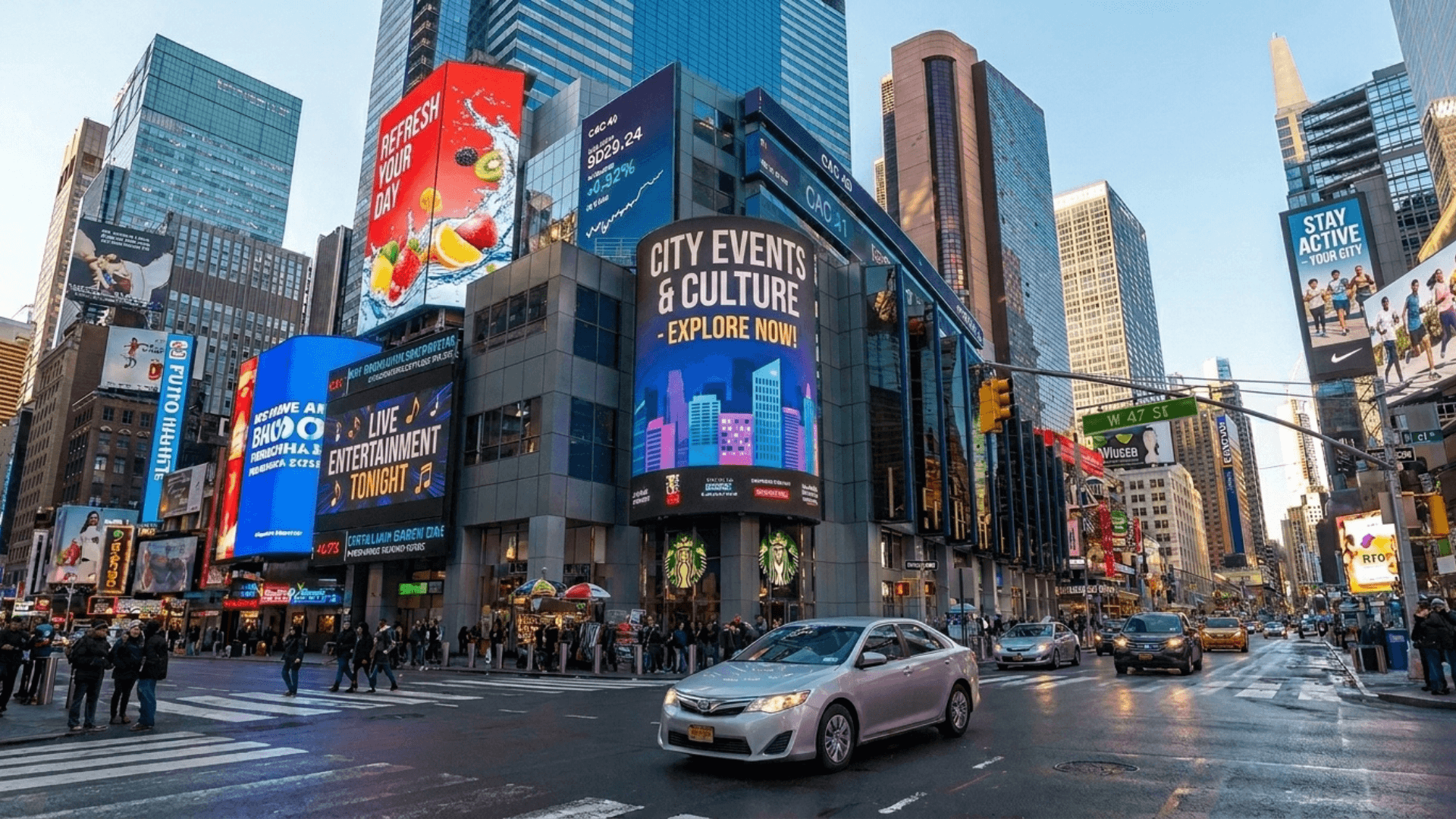
A few years ago, Digital Signage was primarily associated with digital displays showing promotions, restaurant menus, or advertising content. Its main purpose was simple: replace printed materials with dynamic content.
Today, that perspective has completely changed.
Organizations no longer invest in technology simply to display information. They invest in creating experiences that connect with people, strengthen brand engagement, and add value at every customer touchpoint.
In this new landscape, Digital Signage has evolved from a standalone technology into a strategic communication tool capable of transforming how people experience a space.
The difference is no longer about installing more screens. It’s about delivering better experiences.
Every visit to a retail store, hotel, airport, corporate office, or public venue is made up of small interactions that shape how people perceive a brand.
From the welcome message to the information visitors receive throughout their journey, every interaction communicates something.
Digital Signage plays a vital role in that journey by delivering relevant information exactly when users need it, while adapting content to the specific needs of each environment.
When implemented strategically, it can:
Technology becomes less visible while the overall experience becomes more natural and engaging.
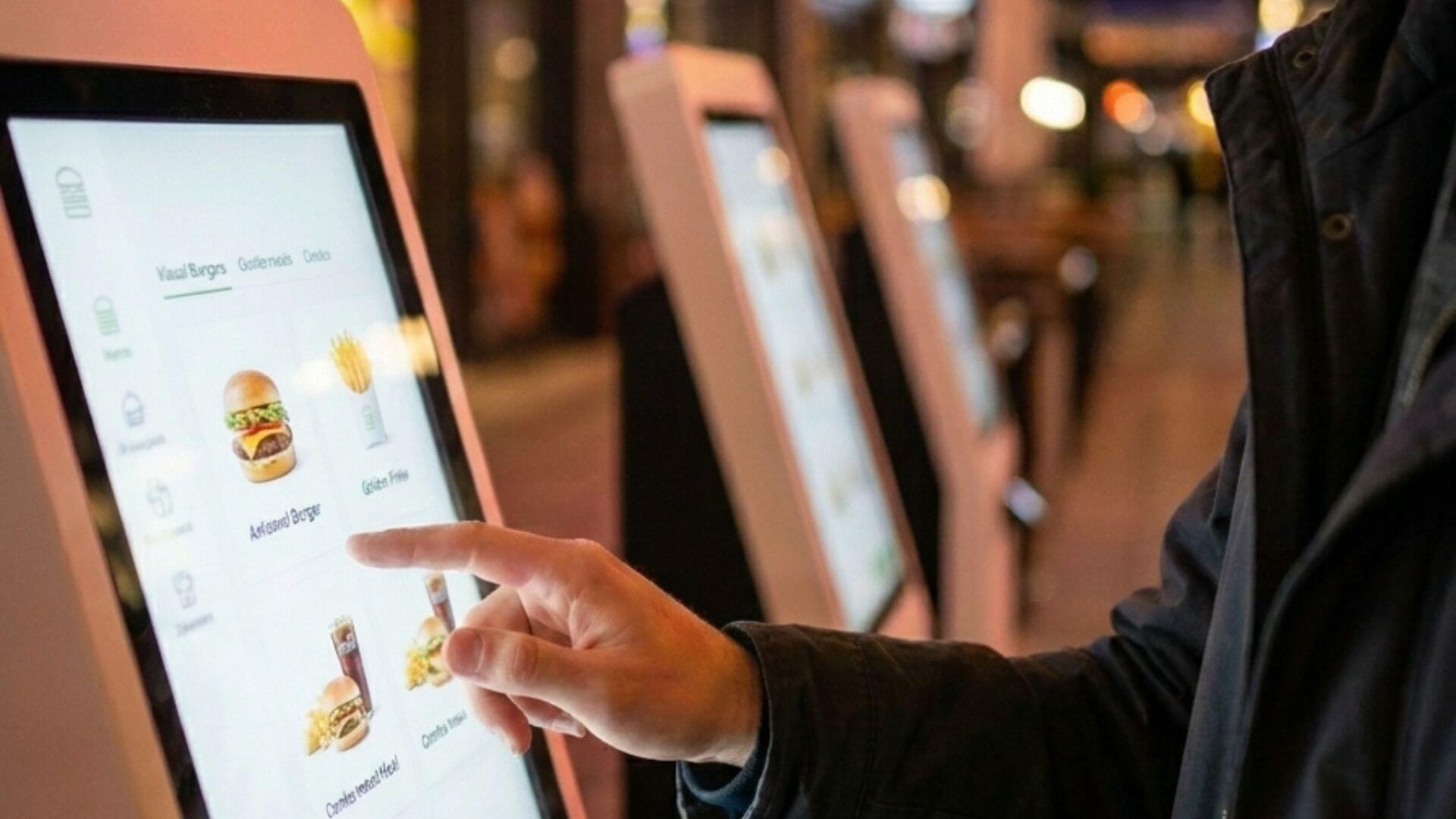
Not every screen creates value.
The difference lies in the content, the context, and the purpose behind every installation.
A well-designed Digital Signage solution is not intended to capture attention for only a few seconds. Instead, it supports users throughout their journey by delivering information that is timely, relevant, and genuinely useful.
Achieving this requires understanding factors such as:
When technology adapts to human behavior, communication becomes significantly more effective.
One of the biggest advances in Digital Signage is its ability to become part of a much broader digital ecosystem.
Modern displays are no longer isolated devices. They connect seamlessly with multiple technologies to deliver richer customer experiences.
For example, organizations can:
The display is no longer the final destination—it becomes a communication hub within a larger digital strategy.
The rapid evolution of Digital Signage has enabled organizations across nearly every industry to rethink how they communicate with customers and visitors.
Today, its applications extend far beyond retail.
Different industries leverage this technology in unique ways:
This versatility is one of the main reasons why Digital Signage continues to expand across industries worldwide.
People now expect experiences that are faster, smarter, and more personalized than ever before.
For that reason, simply installing a high-resolution display is no longer enough.
Organizations should ask themselves:
Answering these questions helps create projects where technology serves people—not the other way around.
Over the coming years, we will continue to see displays with higher resolutions, artificial intelligence, automation, and increasingly sophisticated interactive capabilities.
However, none of these innovations will matter if they fail to improve the customer experience.
The real strength of Digital Signage will continue to lie in its ability to connect technology, content, and people through a single communication strategy.
Because in the end, screens are only the medium.
What customers truly remember is the experience they had.
The organizations leading digital transformation are no longer asking which display to install. Instead, they ask what kind of experience they want to create.
That shift in perspective is what turns Digital Signage into a strategic solution for improving communication, optimizing spaces, and building stronger relationships with customers and visitors.
Looking to develop a Digital Signage solution that goes beyond installing displays and truly transforms the customer experience?
Follow ENO Digital Signage on Instagram and LinkedIn to discover the latest trends, innovative technologies, and professional solutions for digital signage projects.