


- +971 04 589 7185
- +971 55 985 0868
- info@digital-signage.ae

In the world of digital signage, terminology evolves just as fast as technology itself. One of the most common—and often misunderstood—distinctions is the difference between a Digital Kiosk and an Interactive Kiosk.
At first glance, both seem to serve similar purposes: screens placed in physical environments to display content or information. However, the difference between a Digital Kiosk and an Interactive Kiosk goes far beyond appearance. Understanding this distinction is essential for making the right strategic decisions in retail, hospitality, corporate environments, and public spaces.
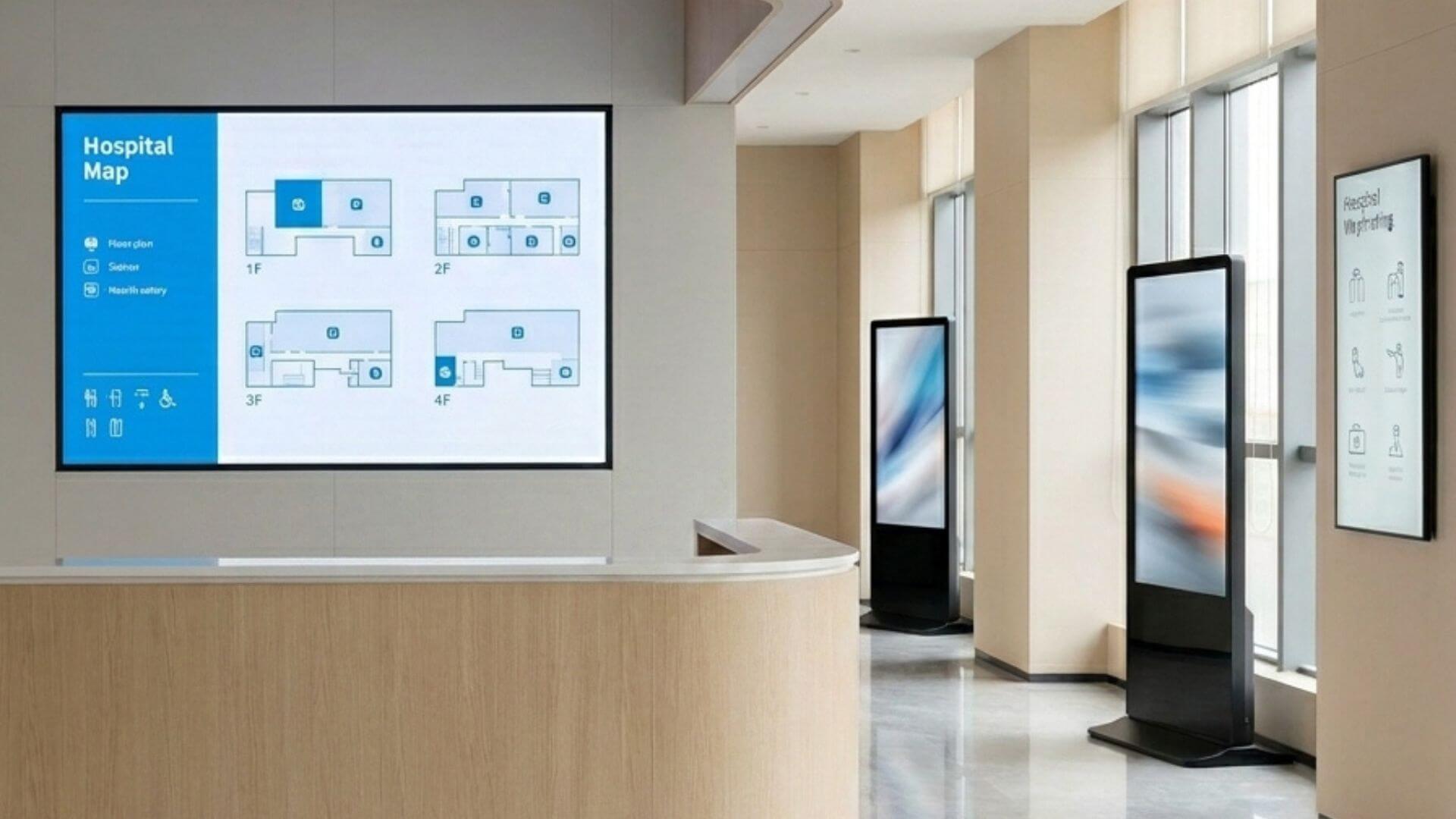
A Digital Kiosk is essentially a digital communication point designed to display dynamic content. It is commonly used for advertising, information, wayfinding, or branding across different environments.
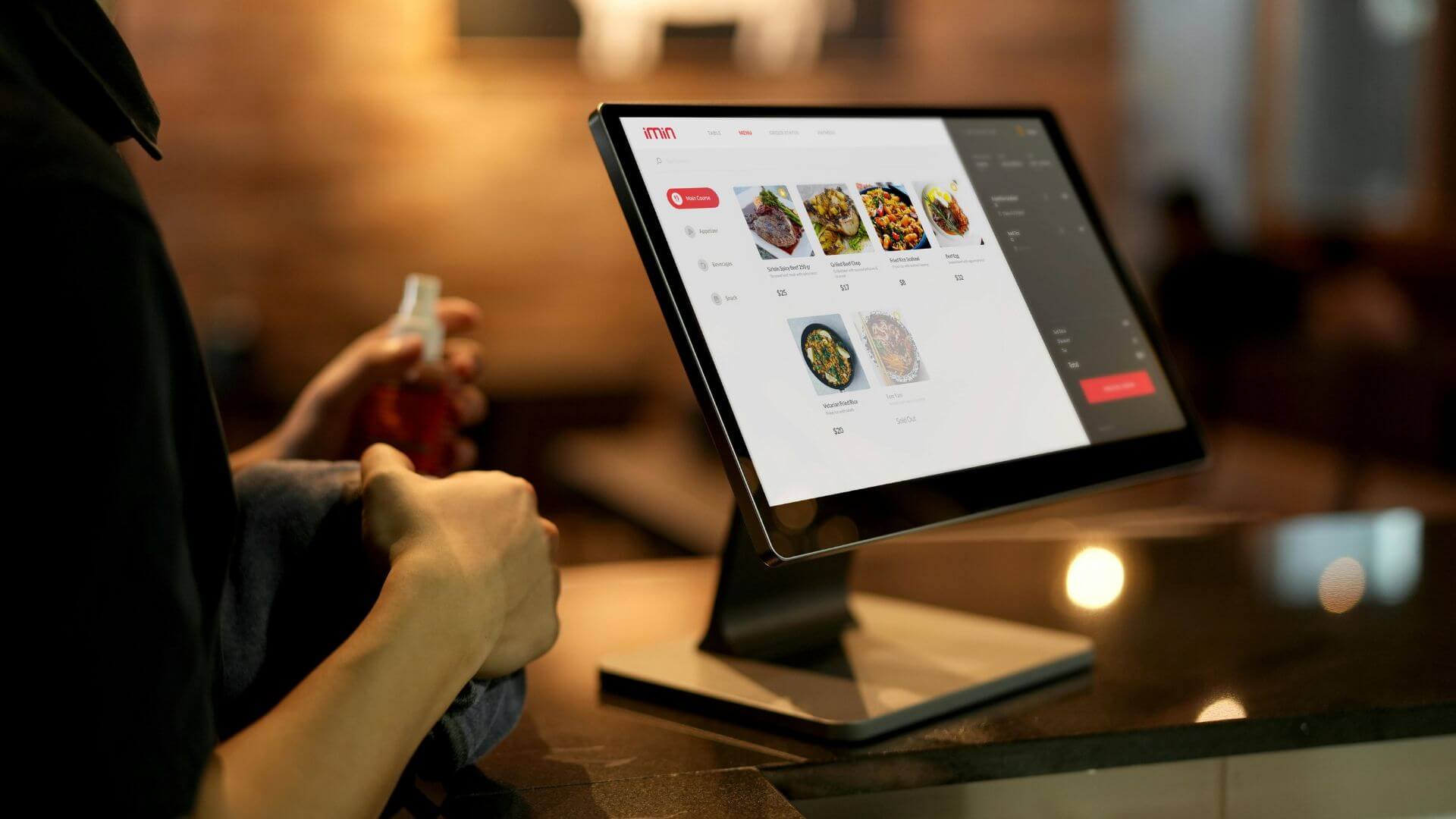
An Interactive Kiosk, on the other hand, introduces an additional layer: user participation. It not only displays content but also allows direct interaction through touchscreens, sensors, or intelligent interfaces.
The key difference lies in the objective:
This distinction completely changes how each solution is designed, implemented, and used.

A Digital Kiosk is ideal when the primary goal is to inform, promote, or communicate messages clearly and consistently. Its strength lies in efficiency and the ability to deliver content at scale without requiring direct interaction.
It is commonly used in:
The advantages of a Digital Kiosk include:
When the goal is visual impact and reach, a Digital Kiosk is a highly efficient solution.
An Interactive Kiosk is designed to actively engage users. It is ideal when the objective is to create personalized experiences, collect data, or guide user decisions.
Typical applications include:
Its main advantages include:
However, it also involves higher technical complexity and operational requirements.
Although both solutions share similar technological foundations, their differences become clear when analyzed strategically:
Choosing between them is not about which is better, but which one aligns best with the project’s objectives.
One of the most frequent mistakes is selecting an Interactive Kiosk when a Digital Kiosk would be more appropriate—or vice versa. This can lead to unnecessary costs, underutilized technology, or ineffective user experiences.
For example, installing an interactive solution in a space where people only pass by quickly may provide little value. Conversely, using a Digital Kiosk in an environment where interaction is expected can limit the project’s potential.
Understanding user behavior and spatial context is essential.
Both the Digital Kiosk and Interactive Kiosk should integrate naturally into the user journey. Technology should not feel intrusive, but rather part of the environment.
A well-designed solution considers:
When properly integrated, the technology becomes almost invisible, and its impact increases.
Choosing between a Digital Kiosk and an Interactive Kiosk is not purely a technical decision. It is a strategic choice that must align with clear objectives, audience behavior, and the context of the space.
Both solutions offer significant value when implemented correctly. The key is aligning technology with the experience you want to create.
Partnering with a specialized manufacturer helps determine which type of kiosk best suits each project. Technical expertise combined with strategic insight ensures better decision-making and maximizes return on investment.
It is not just about installing screens—it is about building solutions that truly deliver value.
Are you considering implementing a Digital Kiosk or an interactive solution in your project?
Follow ENO Digital Signage on LinkedIn to discover how to choose the right technology and create effective, impactful digital experiences.